the Sworn Virgins of Albania
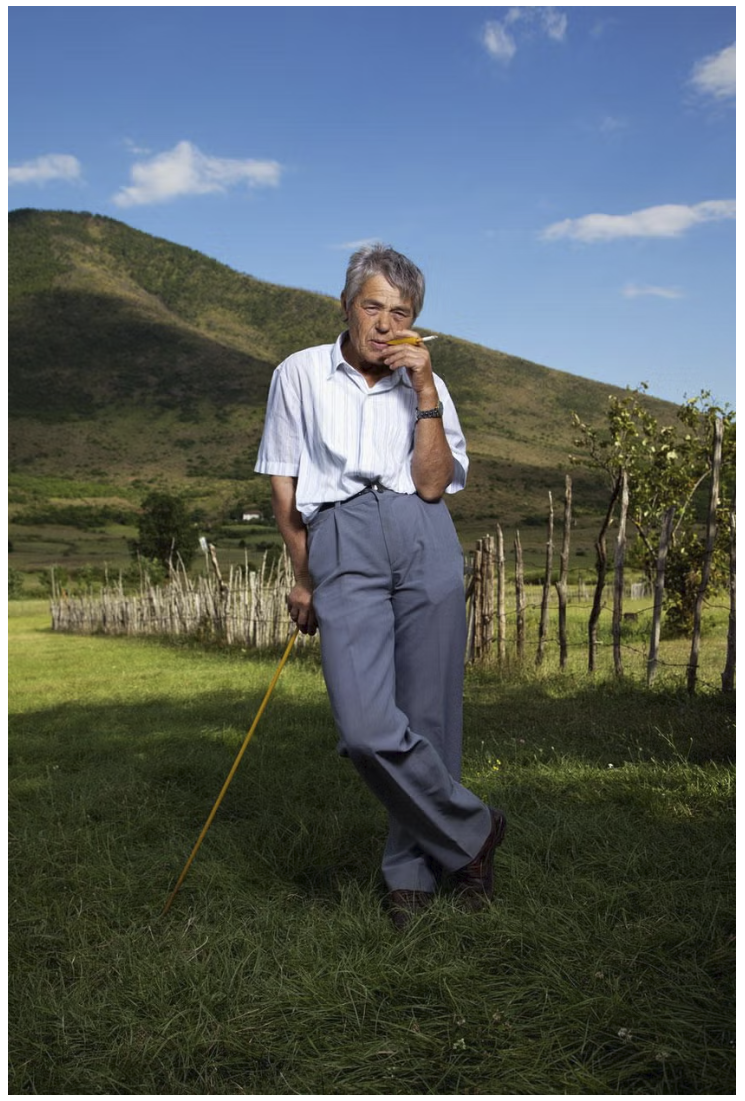
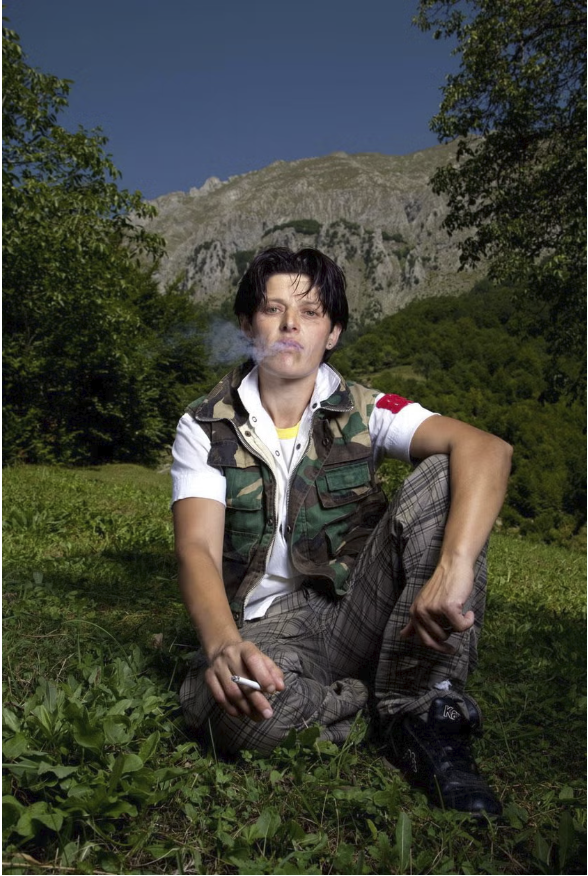
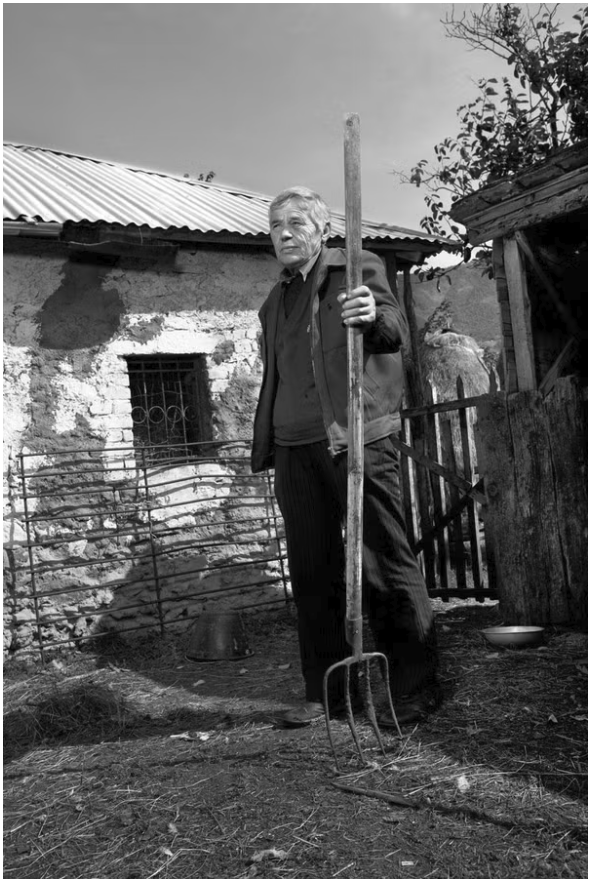
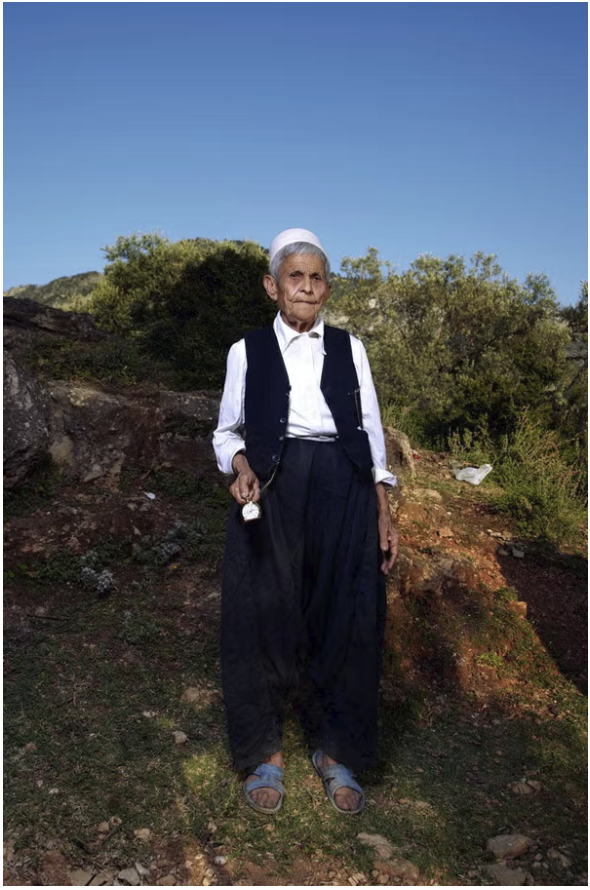
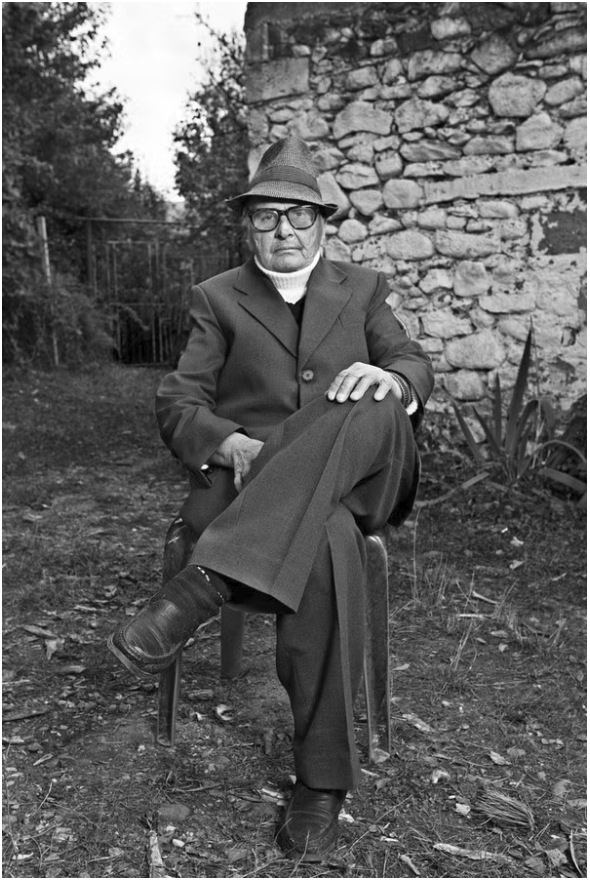
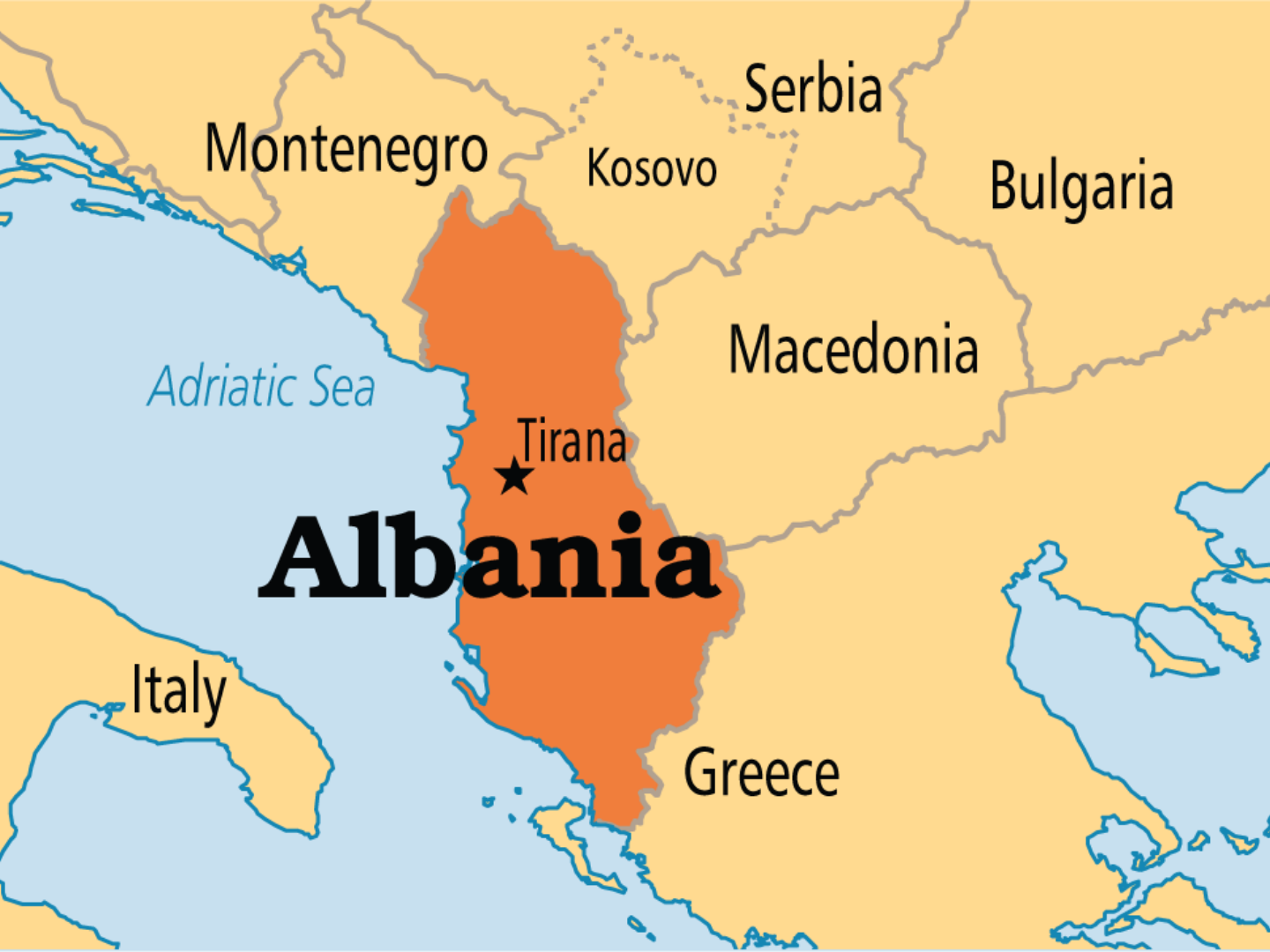
“Sworn virgins” (burrneshas in Albanian) are Albanian women who decide to ignore their female identity and live as men in the Balkans. Photographer Jill Peters traveled to Northern Albania to meet and photograph these women. The decision to live as men is more related to gender roles in the Albanian culture rather than a statement of sexuality; these women live their lives appearing as men.
Sworn virgins have existed for centuries. According to tradition dating back to the 15th century developed out of the Kanun, a tribal code of law, tribal clans from the Balkans considered families without a male presence as pariahs. When blood feuds decimated all the men in a family, the only way to salvage their honor was for a woman to become the patriarch of the clan and start acting like a man.”
Sworn Virgins: Men by Choice in the Balkans
Daphnee Denis / Dec 21, 2012
“Becoming a sworn virgin or burrnesha elevated a woman to the status of a man and granted her all the rights and privileges of the male population,” Peters writes on her website. “
In order to manifest the transition, such a woman cut her hair, donned male clothing and sometimes even changed her name. … Most importantly of all, she took a celibacy vow to remain chaste for life.”
what is a “blood feud?”
In traditional Albanian culture, Gjakmarrja (lit. 'blood-taking'') or hakmarrja ('revenge') is the social obligation to kill an offender or a member of their family in order to salvage one's honor.
This practice is generally seen as in line with the social code known as the Canon of Lekë Dukagjini (Kanuni i Lekë Dukagjinit) or simply the Kanun (consisting of 12 books and 1,262 articles[1]). The code was originally a "non-religious code that was used by Muslims and Christians alike.
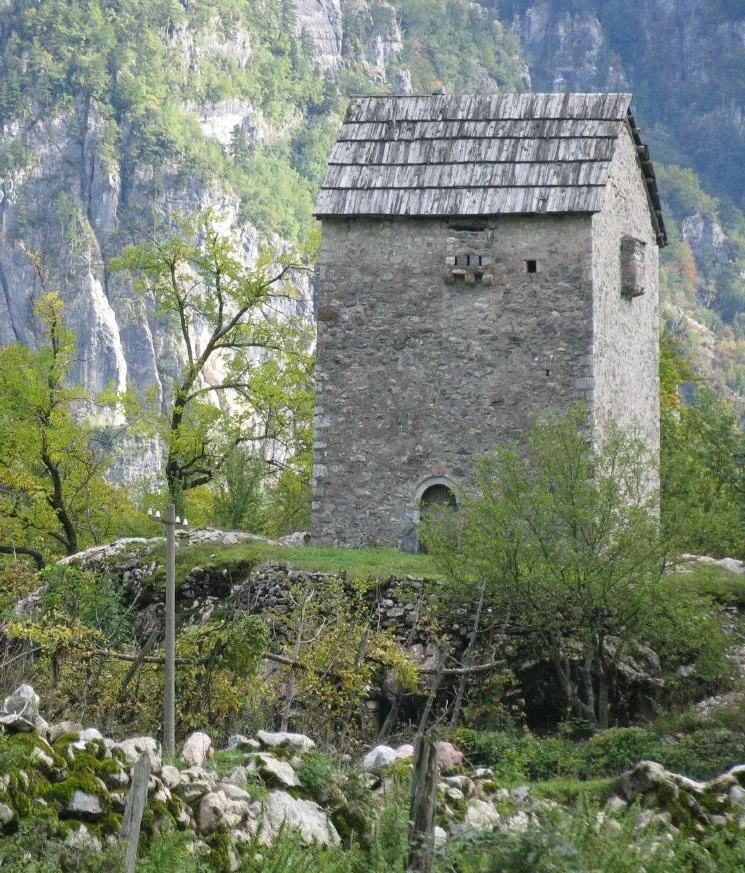
Lock-in tower, Thethi, northern Albania, used as refuge for men involved in a blood feud (Gjakmarrja, or Hakmarrja, the social custom from the Kanuni i Lekë Dukagjinit) that are vulnerable to attack
Image Credit: Doron
Some of the actions that initiate gjakmarrja include "killing a guest while he was under the protection of the owner of the house, violation of private house, failure to pay a debt, kidnapping or the seduction or rape of a woman".
This often extends many generations if the debt is not paid. Those who choose not to pay with the lives of their family members live in shame and seclusion for the rest of their lives, imprisoned in their homes
what is gender?
why is there such a value of women’s sexuality?
an examination of the patriarchy…

“Gendered practices encompass the ways in which societal norms, customs, behaviors, and traditions construct, reinforce, and perpetuate notions of gender roles and dynamics. Often deeply rooted in patriarchal systems, such practices serve to maintain gender hierarchies and inequalities across various domains of life, influencing relationships, institutions, interactions, participation and development. The concept of sexuality is fundamental to shaping individual identity. Male-dominated constructions of female sexuality and sexual
dynamics deprive women of the ability to fully acknowledge their personal aspiration, necessities and autonomy.
Women's identities are distanced and obscured as their sexuality is shaped by male-oriented constructs (Bridgeman & Millens,1998). Sexual dynamics, embedded in power imbalances, typically perpetuate gender inequalities, affecting women’s rights, autonomy, empowerment and contributing to the reinforcement of gender differentiation and gender system.
In an aspiring egalitarian society, would men and women continue to adhere to the traditional roles of ‘male provider and female homemaker with subordinate sexuality’, or would they instead cultivate forms of equal and balanced heterosexual relationships that are rarely conceptualized, let alone realized, in our deeply unequal and patriarchal society?”
— Pratibha Roka
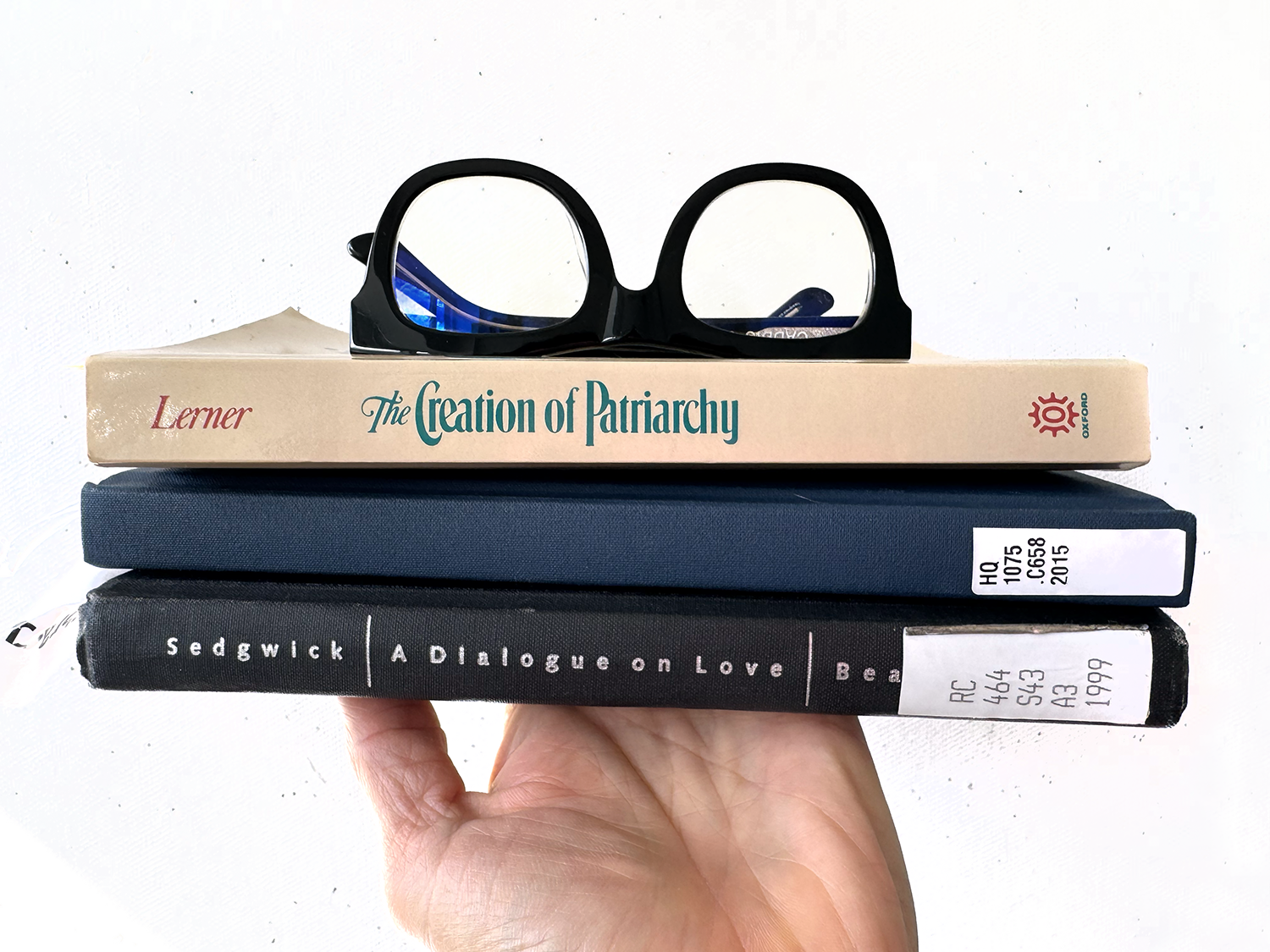
(the binary of) gender in 2026 USA
“To end America’s family crisis, policymakers and civic leaders should treat restoring the family home as a matter of justice, driven by two truths. The first is that all children have a right to the affection and protection of the man and woman who created them. The second is that the ideal environment in which to exercise this right is in a loving and stable home with their married biological parents.
In contrast, the default in American culture today is to put the desires of adults over the needs of children. Children are too often called to sacrifice what is due to them—the presence of their mom and dad under the same roof for the entirety of their childhood.”
Saving America by Saving the Family: A Foundation for the Next 250 Years
the lived experience of intentional gender
I am Roscoe Duquette, fellow grad student at UB.
Thoughts about gender — that’s a nebulous question.
I think, you know, there's, I think it's like, the way gender is kind of, I guess, enforced or like, since, like, the mainstream perception of it is kind of like a double edged sword because some people do find, comfort in these specific, like, male female identities. But then there's, like a pressure to stick to these specific roles and that some people find like a freedom and strain from that and going in between.
So it's like, I don't know, I've complex feelings towards it I guess.
Being transgender. I definitely experience kind of both like the negatives and positives. Like when as being raised to be a girl I felt very alienated. And this kind of tends to happen to most people growing up.
But it was more related to gender dysphoria than just regular growing pains for me to feel like I thought, like other girls, if you will. But then like, kind of finding that I could get out of that label, that I didn't have to fit into that box and finding comfort and were, masculine identity. I found like the benefit of, like, leaning towards one of those boxes, but I definitely don't feel very, like I must be to be a a man, to be a fully transitioned man.
I don't really feel like I need to fit like an archetype of masculinity. So I still am kind of floating in, like, this nebulous space kind of towards masculinity, but not, I guess, not the quite toxic, idealized version of it.
I think like being young, I encountered gender as a performance, but I never really like, was introduced to the idea that you could kind of have, some say in what that performance is like until like I've encountered encountering like, other transgender people, usually on the internet. I think social media is kind of where I first encountered people, you know, expressing trans identity in an open and positive way.
But when I was younger, I definitely experienced, like, places where you're expected to perform gender. The big one that I think of is I was a dancer when I was younger. So dance is a very tends to, at least at the time was very gendered. And how, you know, young girls are introduced to it and stuff like that.
I think we tend to the way we understand the world around us is that we make categories. And then sometimes we kind of fall into a trap of like you're even this category, that category. Because just it's the process, the world around us. But it's never always it almost is never that simple. Like, there's always some nuance... yeah.